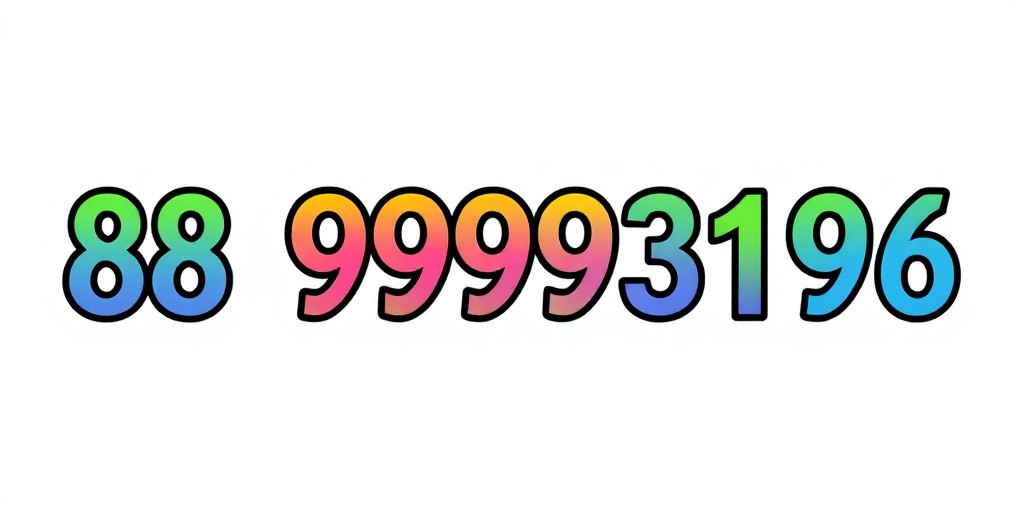

Recent investigations have shed light on a notable trend: some donors are fathering a large number of children through donor services. An investigation centered on a man whose sperm contained a mutation that dramatically increased the risk of illness for several of his genetic descendants. Yet even more striking was the scale of this man's influence: his sperm was reportedly exported to hospitals in fourteen various states, resulting in at least 197 babies.
Such a disclosure offers a unique insight into the growing global fertility donation industry. Fertility assistance allows prospective parents to become mothers when it may not easily be possible—if due to infertility, having a same-sex partnership, or choosing solo parenthood. Addressing this demand has evolved into a multibillion-dollar market.
A Strict Screening Process
Despite what some might think, only a small percentage of male volunteer makes the cut to serve as a fertility donor. Reportedly, fewer than five in a hundred applicants ultimately satisfy the strict standards.
The evaluation procedure is extensive and involves multiple assessments:
- Sperm Count: Having a sufficient concentration of gametes in a sample.
- Swimming Ability: Ensuring the gametes move effectively.
- Structure: Evaluating the shape of the sperm for health.
Furthermore, the donation must survive the storage and thawing cycle at a storage facility. Even a individual who is highly capable of fathering children and may have children of his own could nonetheless be considered not a candidate.
Regulations differ around the world, but typical criteria include being within a certain age group (e.g., 18-45), being tested negative for diseases like HIV/AIDS, and not being a carrier of known genetic mutations.
This strict selection leads to a narrow group of eligible men. As a result, in many regions, a significant amount of fertility samples is imported.
Preference and Selection
Within this select cohort of donors, certain individuals become significantly more in-demand than others. The selection method often resembles the dynamics of today's matchmaking platforms.
"It's clear if the donor is Sven and they possess blonde hair, and they're 6 ft 4 and they play sports, and they play the fiddle and are well-educated—clearly that's far more desirable than a donor that is ordinary," remarks a fertility specialist.
Prospective recipients can often access donor profiles that include photos, recorded messages, job descriptions, and physical attributes like tallness and weight. Ultimately, people are making choices based on personal criteria.
A Worldwide Export in Donations
Denmark has become established as a major center for fertility banks. The region has even developed a moniker for producing so-called "Viking-descendant children".
Industry founders point to a blend of cultural and genetic factors behind this popularity. In terms of attitude, sperm donation is said to be viewed with minimal taboo and is often associated with other altruistic behaviors, like giving blood.
From a hereditary perspective, some argue that certain recessive traits common in Scandinavian populations are especially appealing. The idea is that these features enable the parent's own characteristics to be more probable to appear in the offspring.
International Regulations and Societal Questions
The possibility for genetic samples to freely be shipped internationally is a major factor permitting donors to produce huge numbers of descendants. Individual nations have different limits on how many times a donor can be used.
- Some restrict the overall number of live births.
- Others cap the figure of recipients, enabling each mother to have multiple siblings from the identical source.
But, there is typically no international tracking to prevent a single man's sperm from being used to the allowed number in many different countries concurrently. This can legally result in a scenario where a man has scores of resulting offspring across the globe, usually without his consent.
In response to increasing apprehensions, suggestions have been put forward for tighter control. Proposals include:
- Establishing a pan-European or international donor register to track sperm.
- Implementing a more conservative maximum on the number of recipients a one can help.
The Personal Repercussions
Beyond the commercial issues, there are significant personal ramifications. Children conceived through donor sperm may one day find out they have dozens of half-siblings. Some individuals, this revelation can be traumatic.
In the same way, donors may be not be informed of the full scale of their biological legacy. The rise of at-home genetic testing and platforms has allowed it to be considerably more likely for relatives to connect with genetic family beyond formal systems.
"The ethical questions of using donations

